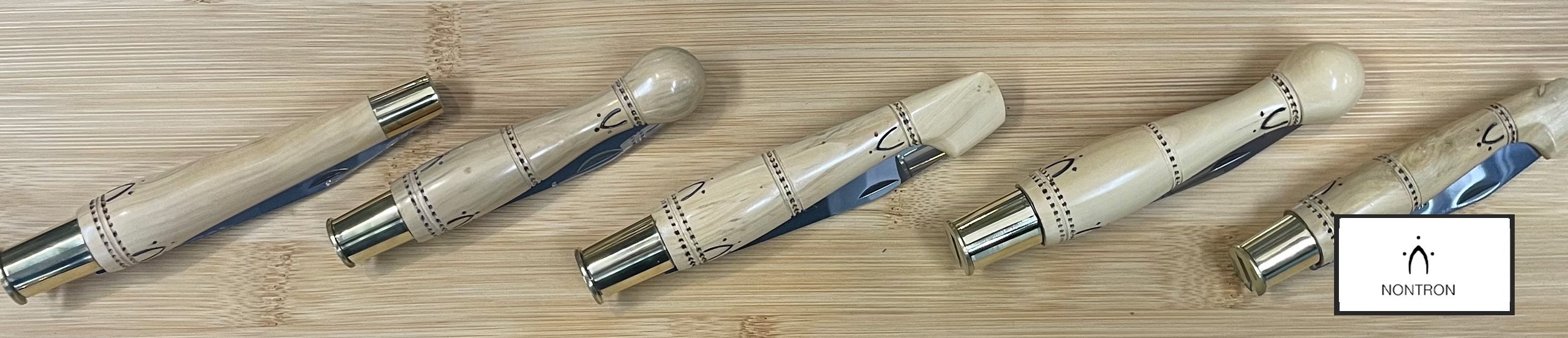
Nontron folding knife
Choose your Nontron folding knife according to your preferences
Discover the selection of Nontron folding knives. Compare the models presented, their materials and the detailed features on each product page to help you make your choice.
-
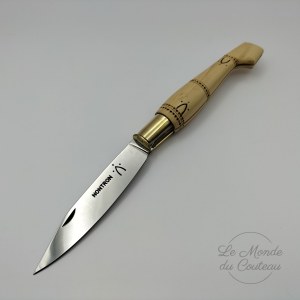
Nontron 22 Ferrule 10.5 cm Folding Knife
65 €
-
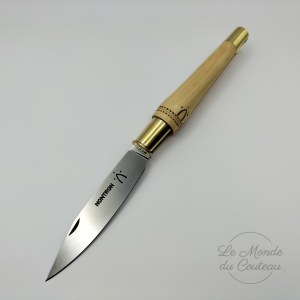
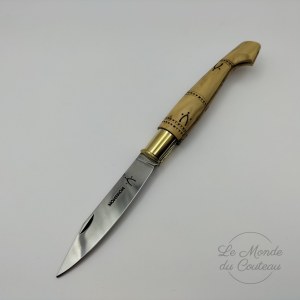
Nontron 25 Double Ferrule 11.5 cm Folding Knife
75 € -

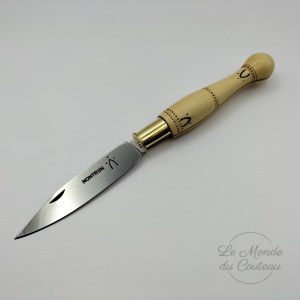
Nontron 25 Ball Handle 12 cm Folding Knife
69 € -
Nontron 25 Ferrule 12 cm Folding Knife
69 € -
Sold
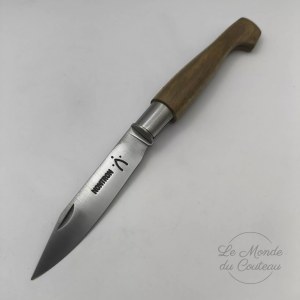
Nontron 22 walnut 8 cm folding knife
69 € -
Sold
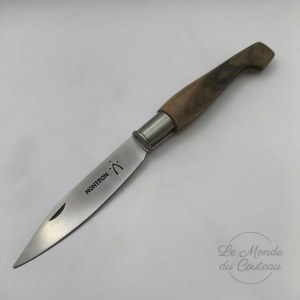
Nontron 25 walnut 9 cm folding knife
75 € -
Sold
Nontron violin barrel oak 8 cm folding knife
75 € -
Sold
Nontron violin walnut 8 cm folding knife
75 €
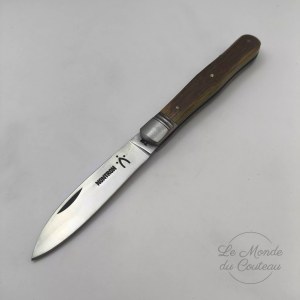
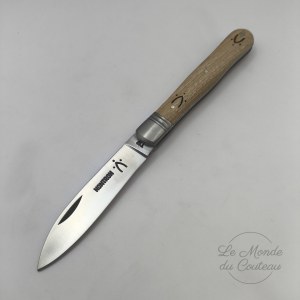
The Nontron folding knife: models, features and selection

The Nontron folding knife can be explored through the models in this selection. To choose your folding knife, compare the grip, materials and dimensions shown on each product page.The Nontron takes its name from the village where it was created, and its history goes back so far that it is difficult to establish its true origin. However, specialists agree that this knife from Périgord is the oldest knife in France. References to these "knives of Pierregord" were even made as early as the beginning of the XIIIth century by Guillaume de la Villeneuve in his "Nomenclature des crieries de Paris". It is therefore plausible that this south-western region produced knives and edged tools long before the Middle Ages.
All the elements required for its manufacture were present: iron ore (nontronite), mined by the Gallic people of the Petrocorii for centuries, boxwood forests for the raw material, and the crystal-clear waters of the Bandiat, below the village, for tempering the blades. Strabo of Amaseia, a Greek historian and geographer contemporary with Julius Caesar, praised the exceptional skill of the Petrocores in working iron.
Around 1300, the Saint-Palaye glossary echoed the writings of poets who celebrated these sharp tools. Parisian knife-making journeymen would also make a detour through Nontron during their travels in France. It was this reputation for excellence in metalworking that is said to have led the King of France Charles VII, nicknamed "the Victorious", to order his sword in Nontron.
On 13 October 1653, Guillaume Legrand, master cutler of the Saint-Eustache parish in Paris, married Marie Belleterie of Nontron and settled in his wife's town to make the eponymous knife there. It was only a few decades later that the first Nontron knives were fitted with a rotating ferrule.
In 1788, the Périgord region already had thirty-five cutleries, according to the inspector of Manufactures and Factories of the Généralité de Bordeaux. Nontron, then home to only 2800 inhabitants, had eight cutlery workers spread across five cutleries with an excellent reputation.
It was at the end of the 18th century that two families, the Bernards and the Petits, arrived and would shape the history of the Nontron for more than a century. During the First World War, the workers of the Petit and Bernard cutleries devoted themselves, at the request of the Ministry of War, to manufacturing the locking Nontron. Ten years after the end of the conflict, only Coutellerie Petit remained.
The "Coutellerie Nontronnaise" was established in 1928. Acquired in 1931 by Alphonse Chaperon, a garage owner in Nontron, his son Gérard would run this artisan cutlery business until 1986, when it was bought by SARL Bernard Faye, then sold on to SARL Forge de Laguiole in 1992. Forge de Laguiole then undertook to preserve this knifemaking expertise in its area. Since 21 June 2000, in a new wood-and-aluminium space designed by Luc-Arsène Henry, the art cutlery workshop has enlisted the services of internationally recognised designers, thus demonstrating a firm intention to enter the third millennium by highlighting that the oldest French knife is more thriving than ever.
Today, this artisan company has around twenty knife makers and holds the "Entreprise du Patrimoine Vivant" label. To continue your selection: Major brands · Folding knives.