French Nontron cutlery
The models in the collection, brought together for you.
The history of the Nontron knife dates back to ancient times, rooted in the fertile lands of Périgord, where abundant iron ore and boxwood groves provided the ideal raw materials for making quality knives.
-
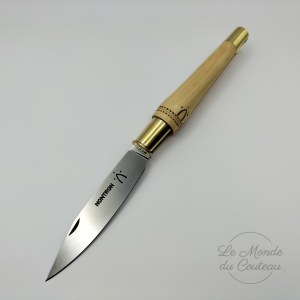
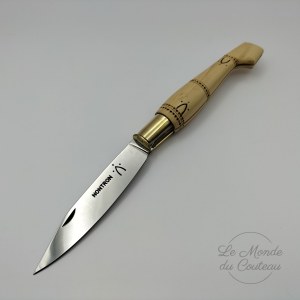
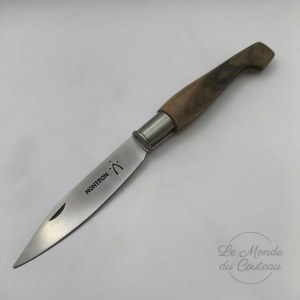
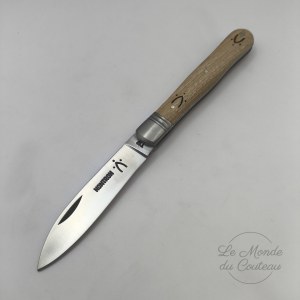
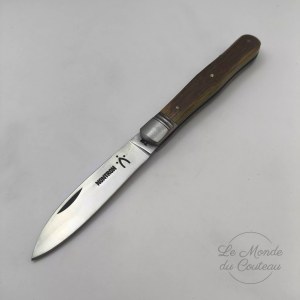
Nontron 25 Double Ferrule 11.5 cm Folding Knife
75 €
-
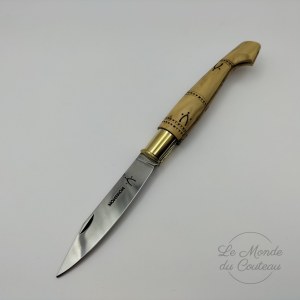
Nontron 25 Ferrule 12 cm Folding Knife
69 € -

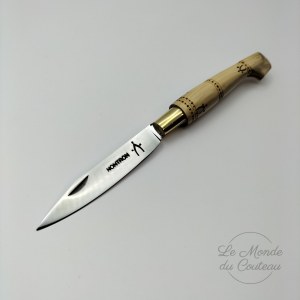
Nontron 22 Ferrule 10.5 cm Folding Knife
65 € -
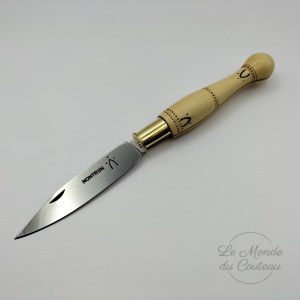
Nontron 25 Ball Handle 12 cm Folding Knife
69 € -
Sold
Nontron 12 Fixed Ferrule Folding Knife 9 cm
45 € -
Sold
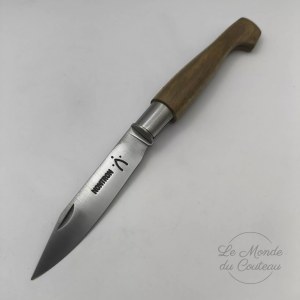
Nontron 22 walnut 8 cm folding knife
69 € -
Sold
Nontron 25 walnut 9 cm folding knife
75 € -
Sold
Nontron violin walnut 8 cm folding knife
75 € -
Sold
Nontron violin barrel oak 8 cm folding knife
75 €
French Nontron cutlery

The history of the Nontron knife dates back to ancient times, rooted in the fertile lands of the Périgord, where abundant iron ore and boxwood groves provided the ideal raw materials for making quality knives. The Petrocorii, a Gallic people renowned for their skill in working iron, contributed to this age-old tradition.
Already mentioned in the 13th century in Guillaume de la Villeneuve's "Nomenclature des crieries de Paris", the Pierregord knives, as they were then known, enjoyed a reputation for excellence. The pure, icy waters of the Bandiat were used to harden the blades, while the forges of Azat-en-Nontronnais bear witness to the region's long history of metallurgy.
Over the centuries, the reputation of Nontron knives spread far beyond the region's borders. Parisian journeyman cutlers regularly stopped in Nontron during their travels, while figures such as King Charles VII even ordered their swords from this town renowned for its exceptional expertise.
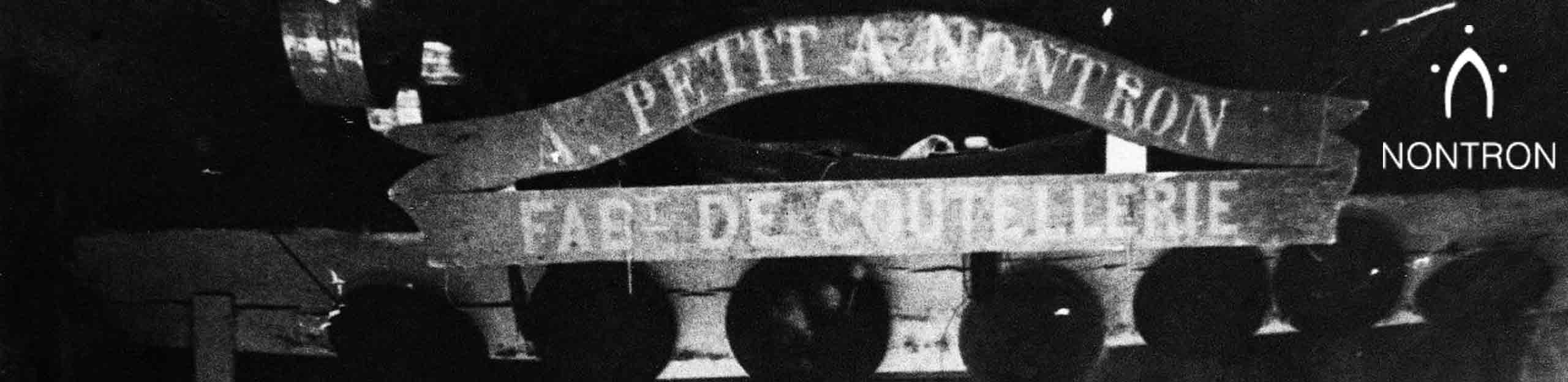
During the 18th and 19th centuries, Nontron became a major centre of knife-making, with as many as thirty-five cutlery workshops. The Bernard and Petit families left their mark on this period, contributing to the prosperity of the local knife-making industry.
During the First World War, Nontron cutlery workshops devoted themselves to manufacturing switchblades to meet the needs of the front. Despite the devastation of the war, the cutlery-making tradition endured, embodied by companies such as Coutellerie Nontronnaise, founded in 1928.
Over the decades, Coutellerie Nontronnaise changed hands several times, but its commitment to excellence and tradition remained unchanged. Today, it employs around twenty cutlers and proudly holds the Entreprise du Patrimoine Vivant label, demonstrating its importance in France's cultural and craft heritage.